
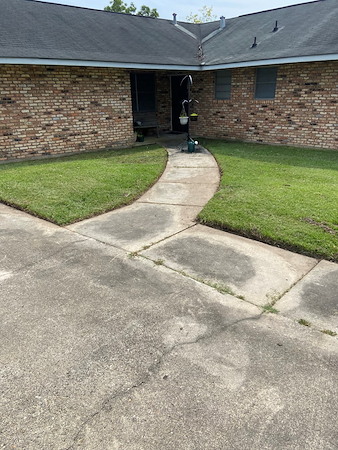
Hot, humid summers in Prairieville push lawns to the limit. If your yard struggles with dull color, thin patches, or weeds, it is time to shift to a summer strategy. With expert planning, your grass can stay thick and vibrant even during heat waves. Our lawn maintenance programs are designed for Louisiana conditions and tuned to what your property needs week by week.
Why Summer Lawn Care in Prairieville Is Different
Prairieville sits in a warm, rainy pocket of Ascension Parish where heat indexes soar and pop-up storms roll through. Warm-season grasses like St. Augustine, centipede, Bermuda, and zoysia love warmth, yet long stretches of high heat and high humidity stress even these tough varieties. That mix accelerates growth in the morning, then flips to wilt by afternoon. It also invites fungal pressure and sudden insect flare-ups. A successful plan in our area blends hydration, shade from taller leaf blades, and close monitoring so small problems do not snowball.
Watering Schedules That Prevent Heat Stress
Smart irrigation is less about “how much” and more about “when” and “how often.” During Prairieville summers, turf needs steady moisture without staying soggy. Professional crews schedule watering during the coolest pre-dawn hours so water reaches roots and does not flash off in midday sun. They also adjust runtimes around rainfall and soil type to avoid cycles of drought and oversaturation that weaken turf.
- Watch for wilting by midafternoon, bluish-gray blades, or footprints that linger. These are early signs of thirst.
- Look for mushrooms or a spongy feel underfoot after storms. That can hint at too much moisture and higher disease risk.
Controllers can be set to skip irrigation after measurable rain, and zones with more sun exposure can be tuned differently from shaded beds. The goal is consistent, deep moisture that helps roots dive, not frequent spritzes that keep roots shallow.
Mowing Height and Timing for Healthier Grass
Summer mowing should protect the plant first and the look second. Taller leaf blades shade the soil, reduce surface evaporation, and crowd out weeds. That is why professionals raise the deck during the hottest stretch and keep blades sharp to cut cleanly. Short cuts force the plant to burn stored energy and expose the crown to heat.
Clippings are left short enough to filter back into the canopy, returning nutrients and helping the lawn hold moisture. Crews also vary the mowing pattern to reduce wheel stress and keep the canopy upright. **Do not scalp the lawn** in summer. Losing that protective leaf area can trigger a week of setback right when the weather is harshest.
Stop Pests Before They Spread
Louisiana lawns can see quick outbreaks in summer. Chinch bugs love hot, sunny areas of St. Augustine. Armyworms can march through Bermuda or zoysia in days. Pros scout edges, near sidewalks, and high-sun areas for unusual yellowing or patchy brown that spreads fast. When something looks off, early identification saves the lawn from wider damage. Treatments are chosen for the grass type and timing so they work without piling on stress the turf is already fighting.
Fungal issues can also sneak in after heavy rain and heat. Thin white threads, irregular spots, or smoky patches at dawn suggest disease pressure. **Catching problems early** means lighter interventions and better recovery.
Smart Soil and Fertility Tweaks for Hot Months
Healthy summer color often starts below the surface. Soil with the right structure and organic matter holds moisture longer and releases it gradually through the day. Professional teams test and adjust through the year so nutrients match your turf type and the season.
In peak heat, the focus shifts toward spoon-feeding what the plant can use without pushing soft, thirsty growth. **Avoid heavy feedings in extreme heat** that spark a burst of top growth but leave roots underpowered. The balance keeps color steady while the plant builds reserves for late summer and early fall recovery.
Professional Monitoring and Adjustments Week by Week
Prairieville weather can swing fast. A run of dry, breezy days dries the lawn. Then a tropical system brings soaking rains. That is why steady monitoring matters. Crews walk the property, check hot spots along driveways and curbs, and tweak the plan. They time edging, trimming, and bed cleanups to keep air moving at the turf line while preserving shade from the canopy. **Small, steady adjustments** keep stress low and color high.
If you want to see how a tuned plan works through the hottest months, explore how our lawn care company supports local properties, from family homes to corner lots with a lot of full-sun exposure. You can also skim recent insights on our lawn care and washing tips page to understand how crews adapt schedules when the forecast shifts.
How Pros Address Common Summer Pain Points
Every yard is unique, but Prairieville homeowners often face the same summer questions. Professionals build a plan that protects the lawn in heat while preparing it for fall strength.
- Heat stress: Shaded soil and deep-root habits help turf ride out triple-digit heat index days without fading.
- Drought swings: Moisture is paced across the week and tuned after storms so the lawn neither wilts nor stays soggy.
- Weed pressure: A thicker canopy from proper mowing height makes it tougher for intruders to get light and space.
- Insects and disease: Regular scouting catches issues early, so targeted treatments are lighter and recovery is quicker.
When those pieces work together, the lawn looks great from the street and feels soft underfoot. That is the difference between a schedule that is “set and forget” and a living program that follows the weather.
What This Looks Like On Your Property
Picture a full-sun lot near a busy corner in Prairieville. The front lawn takes direct afternoon sun off the pavement, so it warms quickly and dries faster than the backyard. A summer plan would front-load watering before dawn, hold a slightly higher cut in midsummer, and check the curbline twice a week for early signs of stress. The backyard might run shorter cycles thanks to a bit more shade. If a week of heavy storms rolls through, the schedule adjusts to prevent disease. If a dry, windy stretch hits, runtimes tick up before browning starts. That is how a pro team keeps both sides green without wasting water or overworking the turf.
For a deeper dive into the approach and how it adapts as conditions change, review the core steps inside our professional lawn maintenance programs. You will see how weekly observations inform the next week’s plan so your lawn never falls behind the weather.
Why Partner With Ag Worx 225 In Prairieville
Working with a local team means your lawn gets care shaped by the same heat, humidity, and storm patterns you see at home. We are tuned to the way summers ramp up in late May, peak through July and August, and ease into September. That local timing guides everything from mowing height to how we pace hydration. It also means faster response when conditions shift. If a sudden chinch bug patch shows up by the sidewalk, it is flagged and handled quickly.
Homeowners choose Ag Worx 225 because we focus on outcomes that matter: consistent color, soft feel underfoot, and a lawn that welcomes bare feet even when the forecast is tough. We keep communication simple and let the grass do the talking.
Ready For A Greener Yard In Prairieville This Summer?
If you want your lawn to look fresh and hold up through the hottest days, a steady plan makes the difference. Let our team evaluate sun exposure, soil, and traffic patterns, then tune the steps for your yard. To get started, call us at 225-308-1173 or learn how our seasonal routines keep turf strong with lawn maintenance that fits Prairieville summers. You can also read more about our approach across Ascension Parish or reach us through the site for a quick visit.
When you are ready to take the next step, visit our homepage to explore summer lawn care in prairieville and see how Ag Worx 225 supports local lawns from spring through late fall. A greener yard is closer than you think.